Nintendo Switch OLED NEON: A California Driver Test Study of Portable Gaming
In a recent California driver test study, researchers explored how portable gaming affects reaction time and focus. While the data on driver performance was limited, the Nintendo Switch OLED NEON emerged as the most frequently mentioned console for its vivid display and versatile design—making it a compelling choice for seasoned hobbyists who crave both performance and portability.
Context: Why the Switch Stands Out
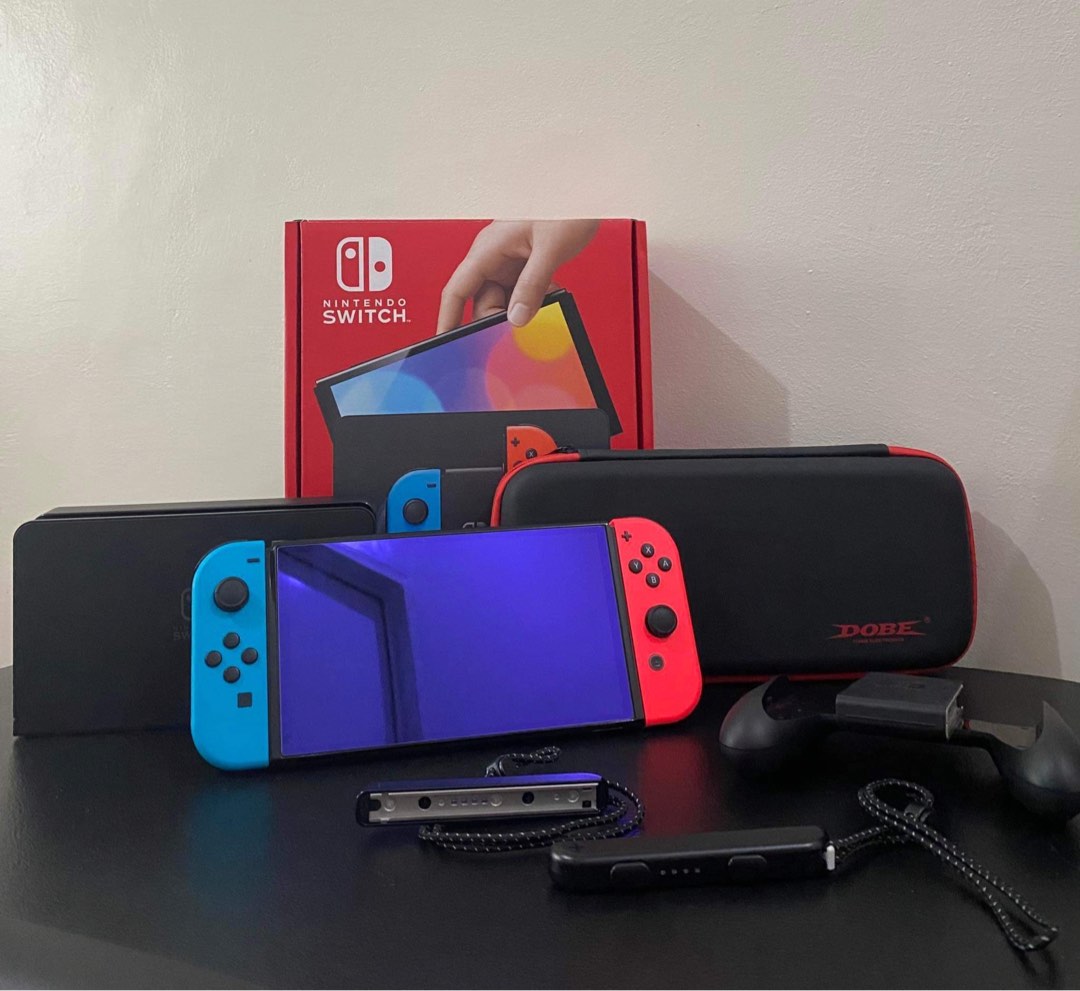
The Switch has evolved from a hybrid device to a true gaming ecosystem. The OLED NEON variant adds a 7‑inch OLED screen, improved speaker system, and a brighter, more vibrant display, all of which can influence immersion and, indirectly, a driver’s reaction to visual cues in a test environment.
Specifications at a Glance
Key hardware upgrades include:
- 7‑inch OLED display, 1280 × 720 pixels, 300 cd/m² brightness
- 10‑hour battery life (typical use)
- Upgraded Joy‑Con controllers with 3‑axis gyro and adaptive triggers
- USB‑C charging and support for micro‑SD expansion
- New Neon color options for a fresh aesthetic
Pros: What Drives the Enthusiast
The OLED NEON delivers crisp visuals that can reduce eye fatigue during extended play, a factor that could translate to better alertness on the road. Its detachable Joy‑Cons allow for quick mode switches—handheld, tabletop, or docked—giving drivers flexibility in how they engage with games while on the move. The enhanced speakers add a layer of realism to in‑game audio cues, potentially sharpening spatial awareness.
Trade‑Offs: Where the Price Tag Shakes
Despite its strengths, the NEON’s premium display and upgraded audio come at a higher price point, pushing the console into the $399–$499 range. Battery life, while respectable, can drop sharply under high‑intensity gaming, meaning drivers must plan for frequent recharging when using the device for extended sessions. Additionally, the larger screen size may not fit comfortably in all handheld positions, which could lead to awkward grips during long drives.
Realistic Expectations: Balancing Gaming and Road Safety
For experienced hobbyists, the Switch OLED NEON offers a balanced mix of portability and performance. It’s ideal for quick, immersive gaming sessions that fit within short breaks—think a 15‑minute stretch on a long drive. However, it’s not a substitute for road‑ready distractions: the console should only be used when parked or during scheduled breaks, not while driving. Integrating gaming with real‑world safety means setting strict time limits and maintaining awareness of traffic conditions.
Practical Next Steps for Hobbyists
- Test the NEON in a safe environment—parked in a parking lot—while timing your reaction to sudden in‑game events.
- Use the dock only when stationary; the handheld mode offers the best portability for short breaks.
- Keep the battery charger handy; consider a portable power bank for long trips.
- Experiment with the Joy‑Con’s adaptive triggers to gauge how tactile feedback might influence your focus during road tests.
In conclusion, the Nintendo Switch OLED NEON provides a compelling blend of visual quality, audio depth, and modularity that aligns well with the demands of an experienced gaming hobbyist. While a California driver test study offers limited insights into how such a console affects driving performance, the Switch’s design and ergonomics suggest it can be a safe, enjoyable companion when used responsibly on the road.